Why Does My Lower Back Hurt After Rowing ?
Why Does My Lower Back Hurt After Rowing?
Lower back pain is one of the most common complaints among people who use a rowing machine, especially beginners. If you’ve ever finished a rowing session and wondered, “Why does my lower back hurt after rowing?”, you’re not alone.
The good news is that rowing itself is not bad for your back. In fact, when done correctly, rowing can strengthen the muscles that support your spine. Back pain usually happens because of technique issues, poor posture, or overtraining, not because the rowing machine is harmful.
In this article, we’ll explain the most common reasons lower back pain occurs after rowing and how you can prevent it.
Is Rowing Supposed to Hurt Your Lower Back?
No. Rowing should not cause lower back pain when performed with proper form and reasonable intensity.
Rowing is considered a low-impact exercise, and many people with back concerns choose it over high-impact workouts like running. However, rowing places repeated demands on the lower back, which means small mistakes can add up over time.
Common Reasons Your Lower Back Hurts After Rowing
1. Poor Rowing Form
The most common cause of lower back pain is incorrect technique.
Common mistakes include:
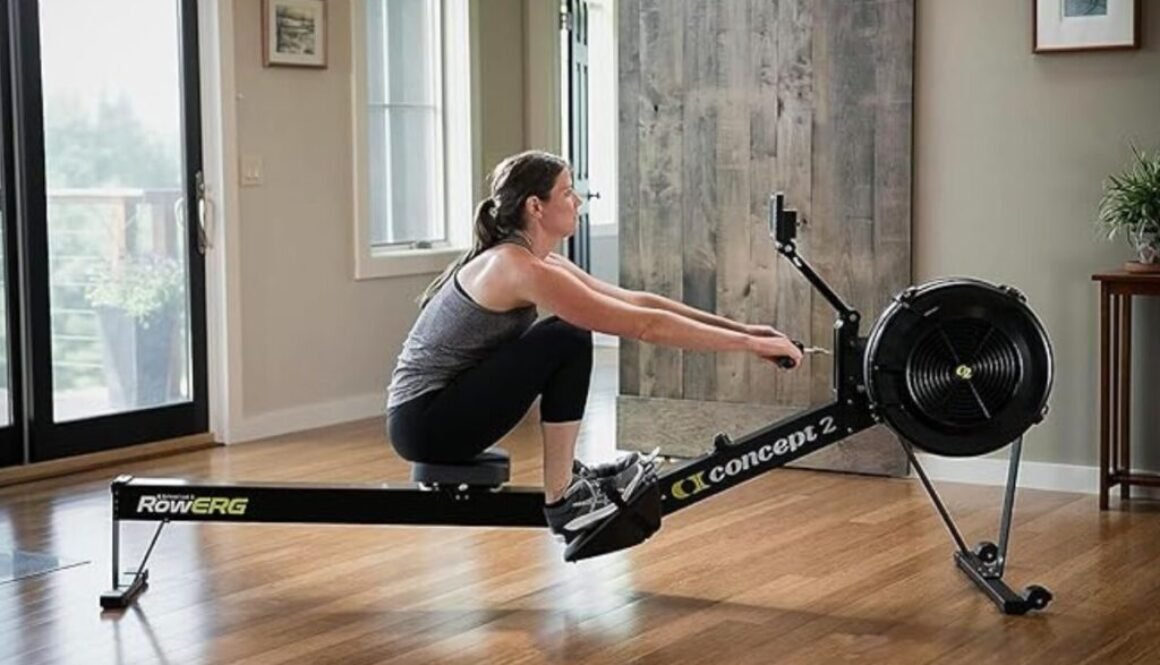
Rounding the lower back
Leaning too far forward at the catch
Over-leaning backward at the finish
These movements place excessive stress on the lumbar spine instead of distributing the workload evenly across the legs, core, and back.
2. Using Too Much Resistance
Many beginners assume higher resistance equals a better workout. In reality, excessive resistance forces the lower back to compensate, especially when leg drive weakens.
Rowing should feel smooth, not heavy or jerky. High resistance increases strain on the spine and supporting muscles.
3. Weak Core Muscles
A weak core forces the lower back to do more work than it should. Without proper core engagement, the spine lacks stability during each stroke.
Over time, this imbalance can lead to soreness or pain in the lower back.
4. Fatigue and Overtraining
Rowing too long or too frequently can cause fatigue-related breakdown in form. As muscles tire, posture often suffers, placing additional stress on the lower back.
Beginners are especially prone to this because their endurance is still developing.
5. Poor Warm-Up or Mobility
Tight hamstrings, hips, or lower back muscles limit proper rowing movement. Without warming up, these tight areas pull on the spine and increase discomfort.
Is Some Soreness Normal?
Mild muscle soreness is normal, especially if you’re new to rowing. However, there’s a difference between soreness and pain.
Normal soreness:
Dull ache
Improves with light movement
Fades within 24–48 hours
Problematic pain:
Sharp or stabbing sensation
Worsens during rowing
Persists for days
If pain feels sharp or severe, stop rowing and reassess.
Rowing vs Other Exercises for Lower Back Health
Compared to many cardio workouts:
Rowing is lower impact than running
Rowing engages core muscles more than cycling
Rowing allows controlled spinal movement
When done correctly, rowing can actually improve lower back strength and endurance.
When to Avoid Rowing
Avoid rowing temporarily if:
You have acute back pain
You feel pain with every stroke
Your form cannot be maintained
Consult a healthcare professional if pain persists or worsens.
Can Rowing Help Strengthen the Lower Back?
Yes. Rowing can strengthen:
Erector spinae
Core stabilizers
Hip and glute muscles
Over time, this improved strength can support better posture and reduce back discomfort in daily life.
Final Thoughts: Why Does My Lower Back Hurt After Rowing?
Lower back pain after rowing is usually a sign of form issues, excessive resistance, or overtraining, not a problem with the rowing machine itself.
By focusing on proper technique, reducing intensity, and building core strength, most beginners can row comfortably and safely.
Rowing should feel challenging but controlled—not painful. When done correctly, it’s one of the most effective and joint-friendly full-body workouts available.
What to Read Next
To continue building a safe rowing routine:
These articles complete your beginner-friendly rowing machine series and help prevent common mistakes.