
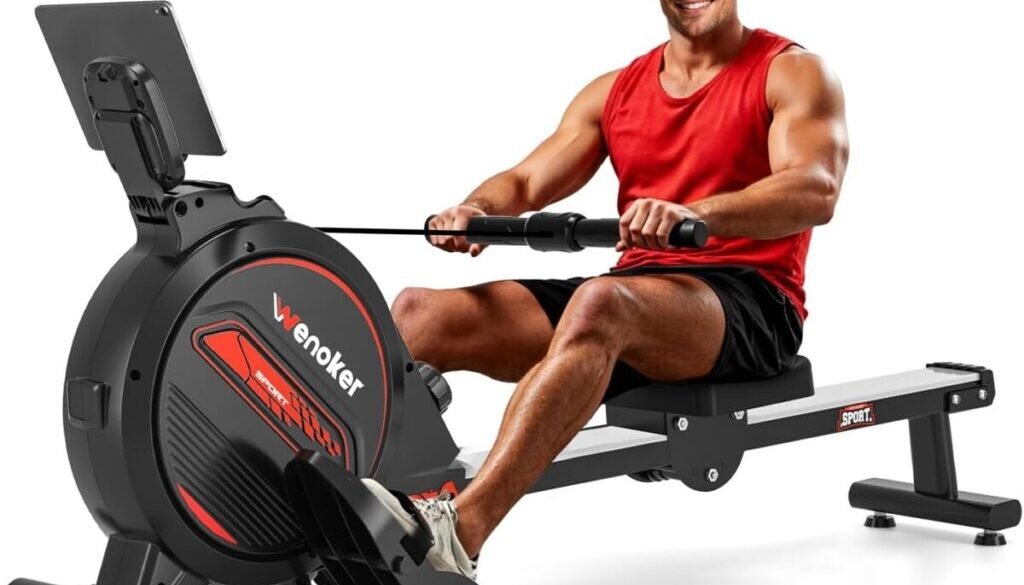
Does a Rowing Machine Cause Knee Pain ?
Knee pain is one of the most common concerns for beginners starting a new workout routine. If you’re considering using a rowing machine, you might be wondering: Does a rowing machine cause knee pain, or is it safe for your joints?
The good news is that rowing machines are generally considered low-impact and knee-friendly. However, knee discomfort can still occur if certain factors are overlooked. In this article, we’ll explain why rowing usually doesn’t hurt the knees, what causes pain when it does, and how beginners can row safely and comfortably.
Is Rowing Hard on the Knees?
In most cases, rowing is not hard on the knees.
Unlike running or jumping exercises, rowing does not involve pounding or impact with the ground. Your feet remain supported throughout the movement, and the motion is smooth and controlled. This makes rowing a popular choice for people who want cardio without stressing their knee joints.
That said, rowing does involve repeated knee bending and extension, so proper technique and setup matter.
Why Rowing Is Considered Knee-Friendly
1. Low-Impact Movement
Rowing eliminates the high-impact forces that often trigger knee pain in activities like jogging or stair climbing. Because there is no landing force, stress on the knee joint is significantly reduced.
2. Strengthens Muscles Around the Knee
Rowing strengthens:
Quadriceps
Hamstrings
Glutes
Stronger muscles help stabilize the knee joint, which can actually reduce knee pain over time when rowing is done correctly.
3. Controlled Range of Motion
The rowing stroke follows a guided path. This controlled movement limits excessive twisting or lateral stress on the knees, which are common causes of discomfort in other exercises.
Common Reasons Rowing Machines Cause Knee Pain
If knee pain occurs, it’s usually due to how the rowing machine is used—not the machine itself.
1. Poor Rowing Form
Rowing promotes hip mobility while keeping movement smooth and supported. It can improve hip flexibility without excessive load, especially when resistance is kept moderate.
2. Sliding Too Far Forward
Over-compressing at the front of the stroke can put unnecessary pressure on the knees. Beginners should avoid bringing the seat too close to the heels.
3. Excessive Resistance
Setting resistance too high forces the knees to absorb more load than necessary. Beginners benefit most from low to moderate resistance while focusing on smooth movement.
4. Rushing the Stroke
Rowing too fast with poor control can strain the knees. A slower, more deliberate pace reduces joint stress and improves efficiency.
How to Row Without Knee Pain
1. Focus on Proper Technique
Key technique tips:
Drive through the heels
Keep knees tracking forward
Avoid locking the knees
Good form is the single most important factor in protecting your knees.
2. Start With Short Sessions
Beginners should start with 10–15 minutes per session. This allows your joints to adapt gradually without overload.
3. Adjust Foot Position
Your foot straps should sit across the widest part of your foot. Incorrect foot placement can alter knee alignment and lead to discomfort.
4. Warm Up Properly
A short warm-up increases blood flow and joint mobility, reducing the risk of knee pain.
Is Rowing Safe If You Already Have Knee Pain?
In many cases, rowing is safe for people with mild knee discomfort, especially when compared to high-impact exercises. However:
Consult a healthcare professional if pain is severe
Keep resistance low
Focus on slow, controlled strokes
If pain worsens during rowing, stop and reassess technique or intensity.
Rowing vs Other Cardio for Knee Health
Rowing vs Running
Rowing: low impact, joint-friendly
Running: high impact, harder on knees
Rowing vs Cycling
Both are low impact
Rowing engages more muscle groups
Rowing provides a balanced workout with minimal knee stress when done correctly.
When Knee Pain Is a Warning Sign
Stop rowing and rest if you experience:
Sharp or stabbing pain
Swelling around the knee
Pain that persists after workouts
These symptoms may indicate improper technique or an underlying issue that needs attention.
Can Rowing Improve Knee Health Over Time?
Yes, for many people.
By strengthening muscles that support the knee and improving mobility, rowing can help reduce discomfort when practiced consistently and carefully. Many beginners find rowing more comfortable than other forms of cardio.
Final Thoughts: Does a Rowing Machine Cause Knee Pain?
A rowing machine does not typically cause knee pain when used properly. In fact, it’s one of the most knee-friendly cardio options available.
Knee discomfort usually results from:
Poor form
Excessive resistance
Overtraining
By focusing on technique, starting slowly, and listening to your body, beginners can enjoy the benefits of rowing without harming their knees.
What to Read Next
To continue building a safe rowing routine:
These articles help you build a safe and sustainable rowing routine from the start.