
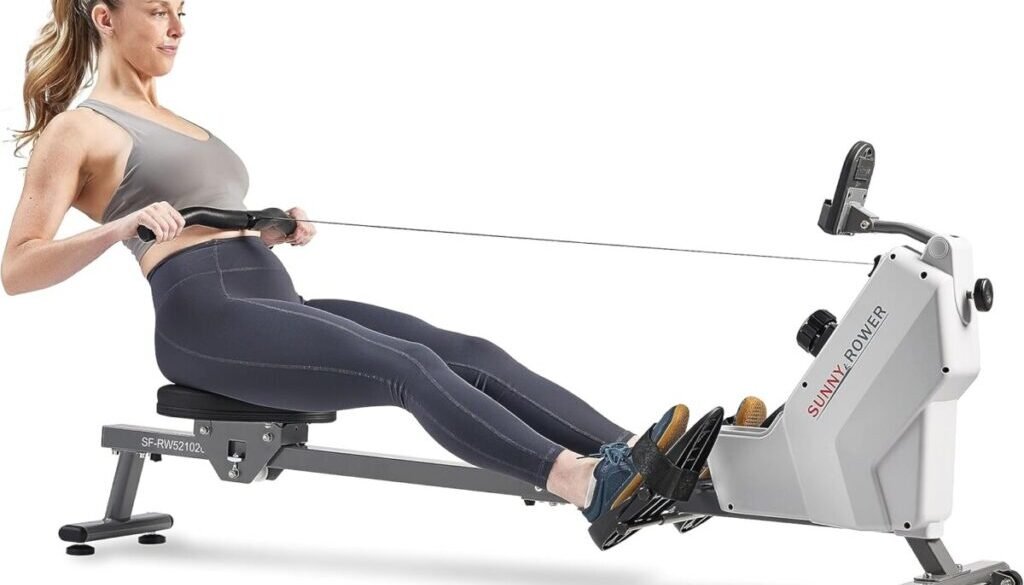
How Long Should a Beginner Use a Rowing Machine?
One of the most common questions beginners ask when starting with a rowing machine is simple but important: how long a beginner should use a rowing machine ?
Rowing machines are powerful workout tools, but doing too much too soon can lead to burnout, soreness, or even injury. On the other hand, sessions that are too short may feel ineffective. In this guide, we’ll help you find the right rowing duration for beginners, based on fitness level, goals, and recovery.
Why Duration Matters for Beginners
When you’re new to rowing, your body is still learning:
Proper rowing form
Muscle coordination
Cardiovascular endurance
Unlike walking or cycling, rowing is a full-body movement, which means it can feel challenging faster than expected. That’s why time management is crucial in the early stages. The goal for beginners is consistency, not exhaustion.
The Short Answer: How Long Should Beginners Row?
For most beginners, the ideal rowing time is:
10–20 minutes per session
This range is long enough to:
Elevate heart rate
Activate major muscle groups
Build endurance gradually
And short enough to:
Avoid excessive fatigue
Maintain good rowing form
Reduce injury risk
As fitness improves, session length can be increased safely.
Beginner Rowing Time by Fitness Level
Completely New to Exercise
If you’re new to both rowing and regular workouts:
- 5–10 minutes per session
- Focus on slow, controlled strokes
- Take breaks if needed
Even short sessions count. The priority is learning technique and building a habit.
Some Fitness Experience
If you already walk, cycle, or do light workouts:
10–15 minutes per session
Moderate pace
Rest days between sessions
This level allows your body to adapt without overwhelming your muscles or joints.
Active Beginners
If you’re active but new to rowing:
15–20 minutes per session
Mix steady rowing with light intervals
You’ll likely feel challenged but still able to recover comfortably.
How Many Days Per Week Should Beginners Row?
Duration and frequency go hand in hand.
For most beginners:
2–3 sessions per week is ideal at first
Add rest days between sessions
After a few weeks:
Increase to 3–4 sessions per week if recovery feels good
Rowing every day is not recommended for beginners unless sessions are very light and short.
Signs You’re Rowing Too Long as a Beginner
More time is not always better. Pay attention to these warning signs:
Lower back discomfort
Knee or shoulder pain
Extreme fatigue after workouts
Declining rowing form
If you notice these, reduce session length or take an extra rest day.
Sample Beginner Rowing Time Plan (First 4 Weeks)
Week 1
5–10 minutes
2–3 sessions
Focus on form and breathing
Week 2
10–15 minutes
3 sessions
Comfortable, steady pace
Week 3
15 minutes
3–4 sessions
Add short bursts of faster rowing
Week 4
15–20 minutes
3–4 sessions
Increase resistance slightly if comfortable
This gradual approach helps beginners build confidence and reduce injury risk.
Quality Over Quantity: Why Form Matters More Than Time
Rowing with poor form for 30 minutes is far less effective than rowing with good form for 10 minutes.
Beginners should prioritize:
Strong leg drive
Neutral spine
Controlled arm pull
Good form ensures muscles are activated correctly and prevents unnecessary strain.
Can Beginners Split Rowing Time?
Yes. Beginners can split sessions if needed.
For example:
10 minutes in the morning
10 minutes later in the day
This approach is helpful if endurance is still developing or if you’re short on time.
When Should Beginners Increase Rowing Time?
Increase session length only when:
You recover fully within 24 hours
Your form remains consistent
Rowing feels challenging but manageable
Add 5 minutes at a time, not large jumps.
Final Thoughts: How Long Is “Enough” for Beginners?
When you’re just starting out, it’s natural to wonder whether you’re doing enough — or maybe too much. With a rowing machine, the answer is reassuring: you don’t need long sessions to make real progress.
For beginners, rowing is less about pushing limits and more about building a sustainable habit. Short, consistent sessions allow your body to adapt to the movement, improve coordination, and strengthen muscles without overwhelming your joints or nervous system. Over time, those small efforts add up in ways that feel surprisingly rewarding.
Most beginners will find that 10 to 20 minutes per session is not only enough, but ideal. It’s long enough to raise your heart rate, engage your entire body, and improve cardiovascular fitness — yet short enough to maintain good form and recover comfortably.
What matters most is not the clock, but how your body responds.
If you finish a session feeling energized instead of drained, that’s a good sign. If you wake up the next day without excessive soreness and feel motivated to row again, you’re on the right track. These signals are far more important than hitting an arbitrary time target.
Building Confidence Through Consistency
One overlooked benefit of shorter rowing sessions is confidence. Beginners who start with manageable workout lengths are far more likely to stay consistent. Consistency builds familiarity with the rowing motion, improves technique, and reduces the fear of injury or burnout.
As rowing becomes more comfortable, your endurance will naturally improve. Sessions that once felt challenging at 10 minutes will start to feel easier, and increasing to 15 or 20 minutes will feel like a natural step rather than a struggle.
This gradual progress is exactly how beginners avoid plateaus and frustration.
Listening to Your Body as You Progress
Every beginner is different. Some will adapt quickly, while others need more time — and that’s perfectly normal. Pay attention to how your body responds after each workout.
You may need to:
Reduce session length on busy or stressful days
Take an extra rest day when muscles feel overly fatigued
Slow your pace instead of stopping entirely
Rowing machines are flexible tools, and beginners benefit most when they use that flexibility to support long-term consistency rather than short-term intensity.
Making Rowing a Long-Term Habit
Rowing doesn’t have to be an all-or-nothing workout. Even short sessions can be effective when done regularly. Many beginners find that rowing becomes easier to maintain than other forms of cardio because it’s low impact, time-efficient, and adaptable to different energy levels.
Over weeks and months, rowing can evolve from a beginner workout into a cornerstone of a healthy routine — supporting cardiovascular health, muscle strength, and overall fitness without excessive strain.
The Bottom Line for Beginners
If you’re wondering how long a beginner should use a rowing machine, the most practical answer is this:
Row just long enough to stay consistent, recover well, and enjoy the process.
For most beginners, that means:
Starting small
Focusing on good form
Increasing time gradually
With patience and regular practice, your rowing sessions will naturally grow longer and more effective — without forcing progress before your body is ready.
What to Read Next
If you’re continuing your rowing journey, you may find these helpful:
Is a Rowing Machine Low Impact on Joints?
These articles build on what you’ve learned here and help you row smarter as you progress.