
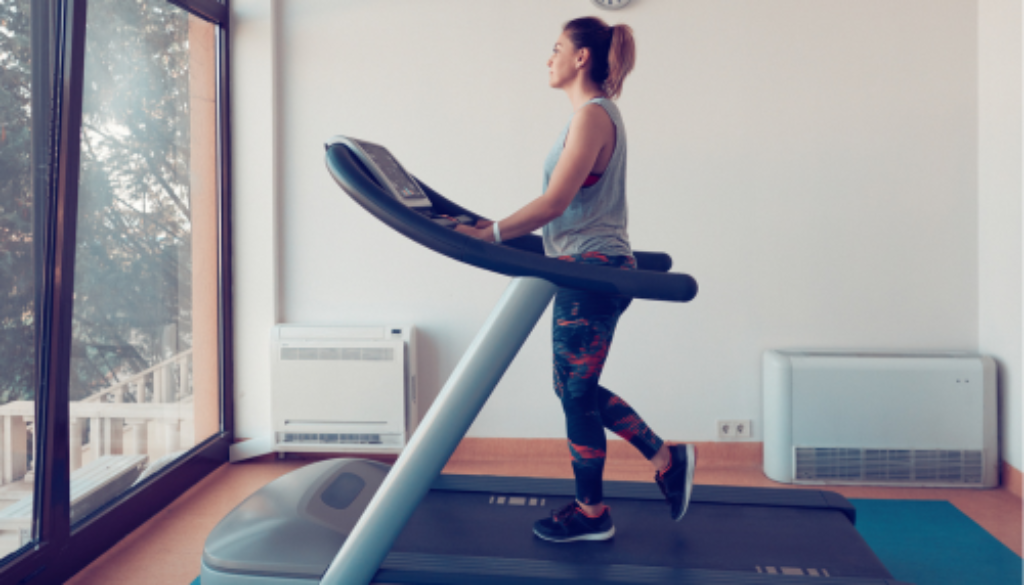
Is 30 Minutes a Day on a Treadmill Enough to Lose Weight ?
If you’re trying to lose weight but don’t have hours to spend at the gym, you’ve probably asked yourself: is 30 minutes a day on a treadmill enough to lose weight? The idea sounds appealing—half an hour, manageable, realistic, and easy to fit into a busy schedule. But does it actually work?
The honest answer is yes—30 minutes a day on a treadmill can help you lose weight, but the results depend on how you use that time and what you do outside of those 30 minutes. Let’s break it down so you know exactly what to expect and how to make it effective.
Is 30 Minutes a Day on a Treadmill Enough to Lose Weight ?
How Weight Loss Really Happens
Weight loss comes down to one simple principle: you must burn more calories than you consume. This is known as a calorie deficit. Exercise helps increase the number of calories you burn, while diet controls how many you take in.
Treadmill workouts are popular because they:
Burn calories efficiently
Are easy to control and track
Work for all fitness levels
Can be adjusted for walking, jogging, or running
Thirty minutes may not sound like much, but done consistently, it adds up.
How Many Calories Can You Burn in 30 Minutes?
The number of calories burned depends on your body weight, speed, and incline. On average:
Slow walking (4 km/h): ~120–150 calories
Brisk walking (5.5–6.5 km/h): ~150–200 calories
Incline walking: ~200–300 calories
Jogging: ~250–350 calories
Running: ~300–450 calories
If you burn just 200 calories per session, five days a week, that’s 1,000 calories burned per week. Over time, that contributes significantly to weight loss—especially when combined with proper nutrition.
Why 30 Minutes a Day Actually Works
Consistency beats intensity
Many people fail at weight loss because they choose workouts that are too intense to maintain. Thirty minutes a day is realistic, sustainable, and much easier to stick with long-term.
Lower stress levels
Overtraining increases cortisol, a stress hormone linked to fat storage—especially around the belly. Moderate treadmill workouts help manage stress rather than add to it.
Improved metabolism
Daily movement improves insulin sensitivity and helps your body become more efficient at burning fat for energy.
Habit building
A 30-minute routine builds a strong daily habit, which is one of the most powerful factors in long-term weight loss success.
The Best Way to Use 30 Minutes on a Treadmill
How you structure your 30 minutes matters just as much as showing up.
1. Brisk Walking with Incline
This is one of the most effective fat-burning strategies, especially for beginners or people with joint issues.
Example:
5 minutes warm-up (flat)
20 minutes at 5–10% incline
5 minutes cool-down
Incline walking increases calorie burn and activates larger muscle groups without the impact of running.
2. Interval Training
Intervals raise your heart rate and increase post-workout calorie burn.
Try this:
1 minute fast pace
1–2 minutes moderate pace
Repeat for 30 minutes.
This method is efficient and prevents boredom.
3. Jogging or Running (If Comfortable)
If your joints allow it, jogging or running burns more calories in less time. However, it’s not required for weight loss.
Walking consistently often produces better long-term results than running inconsistently.
If you’re committing to 30 minutes a day on a treadmill, using a reliable and well-built model like the Sole treadmill F80 can make daily workouts more comfortable and consistent over time.
Is 30 Minutes Enough Without Diet Changes?
This is where many people get stuck.
You can burn 250 calories on the treadmill in 30 minutes—but it only takes a few minutes to eat those calories back. Weight loss becomes much easier when treadmill workouts are paired with:
Balanced, portion-controlled meals
Adequate protein intake
Reduced sugary drinks and snacks
You don’t need extreme dieting. Even small adjustments can amplify the results of your daily treadmill sessions.
What Kind of Weight Loss Can You Expect?
With consistent treadmill workouts and a reasonable diet, most people can expect:
0.5–1 kg (1–2 lbs) weight loss per week
Reduced bloating within the first 2 weeks
Improved energy and endurance
Gradual fat loss rather than rapid water loss
Progress may feel slow at first, but slow weight loss is more sustainable and healthier.
What If Weight Loss Stalls?
If you stop seeing results after a few weeks, don’t panic. This is common and fixable.
Try:
Increasing incline or speed slightly
Adding strength training 2–3 days per week
Extending sessions to 40–45 minutes occasionally
Improving sleep and stress management
Your body adapts, so small changes keep progress moving.
Treadmill vs Other Cardio
The treadmill isn’t the only way to lose weight, but it’s one of the most practical.
Compared to other cardio:
Easier to track pace and progress
Weather-independent
Adjustable for all fitness levels
Suitable for daily use
The best exercise is the one you’ll actually do consistently.
Who Will Benefit Most from 30 Minutes a Day?
This approach works especially well for:
Beginners
Busy professionals
People returning to exercise after a break
Those with joint sensitivity
Anyone focused on long-term weight management
If your goal is extreme fat loss in a short time, 30 minutes may not be enough. But for steady, sustainable weight loss, it’s an excellent foundation.
Final Answer: Is 30 Minutes a Day on a Treadmill Enough?
Yes—30 minutes a day on a treadmill is enough to lose weight if you’re consistent, use the time wisely, and support your workouts with healthy eating habits.
You don’t need to train for hours or punish your body. A focused, daily 30-minute treadmill routine can lead to real, lasting weight loss—and more importantly, a healthier lifestyle you can maintain for years.