
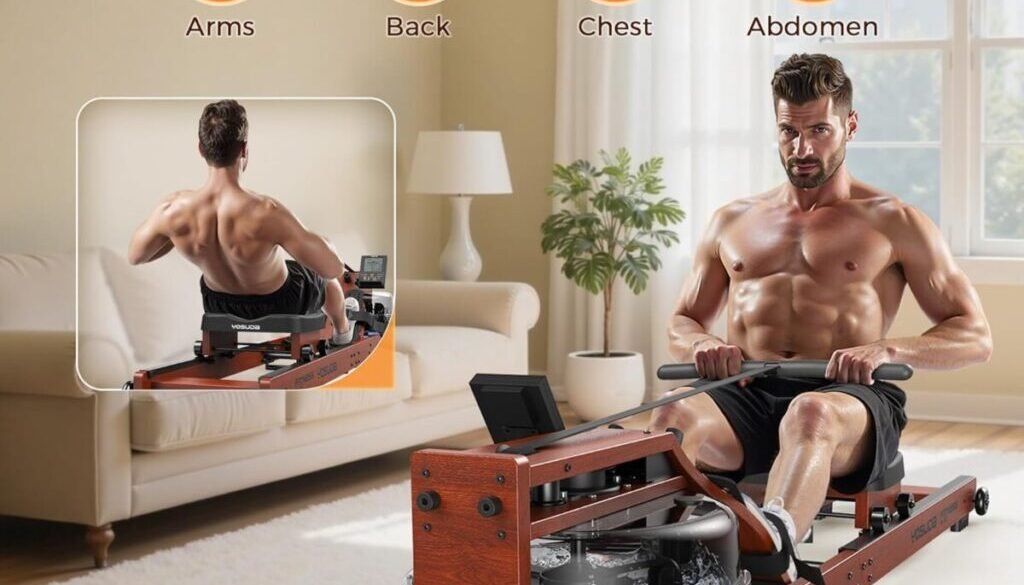
Is a Rowing Machine Low Impact on Joints ?
When choosing an exercise routine, joint health is a major concern—especially for beginners, older adults, or anyone returning to fitness after a break. One question comes up again and again: Is a rowing machine low impact on joints?
The short answer is yes, rowing is generally considered a low-impact exercise. But like any workout, how safe it is for your joints depends on form, intensity, and individual limitations. In this article, we’ll explain why rowing is joint-friendly, which joints benefit the most, and what beginners should know to row safely.
What Does “Low Impact” Really Mean?
A low-impact exercise is one where at least one foot stays in contact with the ground or platform at all times, reducing stress on joints caused by repetitive pounding.
High-impact exercises include:
Running
Jumping
Plyometric workouts
Low-impact exercises include:
Walking
Cycling
Swimming
Rowing machines
Rowing eliminates impact from landing forces, making it a popular choice for people who want cardio without joint strain.
Why Rowing Is Considered Low Impact
1. No Repetitive Impact on Joints
Unlike running, rowing does not involve striking the ground with your feet. Your movement is smooth, controlled, and guided by the machine’s rail.
This lack of repetitive impact reduces stress on:
Knees
Ankles
Hips
For many beginners, this alone makes rowing a safer alternative to high-impact cardio.
2. Even Distribution of Force
Rowing is a full-body movement, meaning the workload is spread across multiple muscle groups rather than concentrated in one joint.
During each stroke:
Legs generate most of the power
Core stabilizes the movement
Arms and back guide the pull
This balanced effort helps prevent overuse injuries commonly seen in single-joint-dominant exercises.
3. Controlled Range of Motion
Rowing machines guide you through a natural range of motion. There are no sudden jumps, twists, or explosive landings.
For beginners, this control makes it easier to:
Maintain joint alignment
Reduce unnecessary strain
Adjust intensity gradually
How Rowing Affects Specific Joints
Knees
Rowing is often recommended for people with knee sensitivity because it:
Strengthens surrounding muscles
Avoids pounding forces
Encourages controlled bending and extension
However, poor form—such as locking the knees or rushing the stroke—can cause discomfort. Proper technique is key.
Hips
Rowing promotes hip mobility while keeping movement smooth and supported. It can improve hip flexibility without excessive load, especially when resistance is kept moderate.
Ankles
Feet remain strapped and stable throughout the motion, reducing ankle stress. This makes rowing suitable for those with ankle issues who may struggle with running or jumping.
Shoulders and Elbows
Upper-body joints benefit when rowing is done correctly. Problems usually arise from:
Pulling too hard with the arms
Shrugging shoulders
Using excessive resistance
Beginners should focus on leg drive first, then arms, to protect shoulder joints.
Lower Back (A Special Case)
Rowing is low impact, but the lower back deserves special attention. While rowing can strengthen back muscles, improper posture may lead to discomfort. Maintaining a neutral spine and engaging the core significantly reduces risk.
Who Benefits Most From Low-Impact Rowing?
Rowing machines are especially beneficial for:
Beginners new to exercise
Older adults
People with joint sensitivity
Individuals recovering from minor injuries
Those who want effective cardio without pounding
Because resistance and pace are adjustable, rowing can be tailored to nearly any fitness level.
Can Rowing Still Hurt Your Joints?
Yes—if done incorrectly.
Joint discomfort usually comes from:
Poor rowing form
Excessive resistance
Sessions that are too long
Skipping rest days
These issues are not caused by rowing itself, but by how it’s performed.
Tips to Keep Rowing Low Impact and Joint-Friendly
1. Start With Low Resistance
Let technique guide the workout, not resistance.
2. Focus on Smooth, Controlled Strokes
Avoid jerky or rushed movements.
3. Maintain Proper Posture
Keep your spine neutral and core engaged.
4. Limit Session Length at First
Beginners should start with 10–20 minutes.
5. Listen to Your Body
Mild muscle soreness is normal. Joint pain is not.
Rowing vs Other Low-Impact Exercises
Rowing vs Cycling
Rowing works upper and lower body
Cycling mainly targets legs
Rowing vs Elliptical
Rowing strengthens more muscle groups
Elliptical is simpler but less comprehensive
Rowing offers one of the best full-body, low-impact workouts available.
Is a Rowing Machine Safe for Beginners?
For most beginners, rowing machines are safe, effective, and joint-friendly when used properly.
The key is:
Learning correct form
Progressing gradually
Avoiding overtraining
When these principles are followed, rowing can improve cardiovascular fitness, strength, and mobility without unnecessary joint stress.
Final Thoughts: Is Rowing Truly Low Impact?
Yes—rowing machines are genuinely low impact and suitable for people concerned about joint health. They provide a rare combination of cardio and strength training without the harsh impact of running or jumping.
If you’re looking for an exercise that supports your joints while still delivering real results, rowing is absolutely worth considering.
What to Read Next
To continue learning about beginner-friendly rowing:
These articles help you build a safe and sustainable rowing routine from the start.