
What Muscles Does a Rowing Machine Work ?
A common question many beginners ask is: what muscles does a rowing machine work? The answer is simple—rowing is one of the most effective full-body workouts you can do. Unlike other cardio machines, it targets both upper and lower body muscles while also improving endurance.
Understanding the muscles worked by a rowing machine can help you improve your form, avoid injury, and get better results from every workout. Whether you're training at home or the gym, rowing offers a balanced combination of strength and cardio. If you're serious about results, choosing the best rowing machines is just as important as proper technique.
What Muscles Does a Rowing Machine Work in Each Phase?
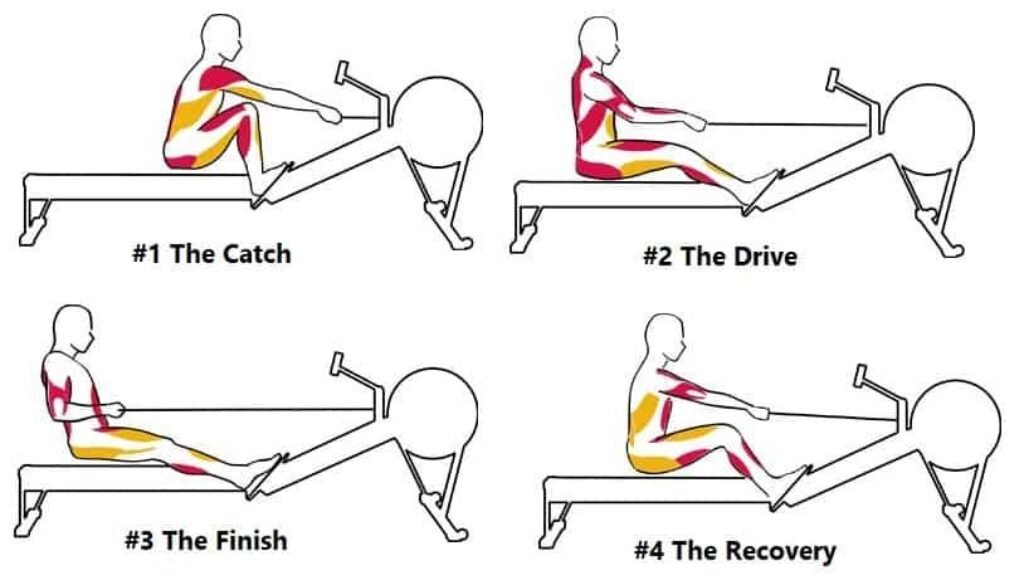
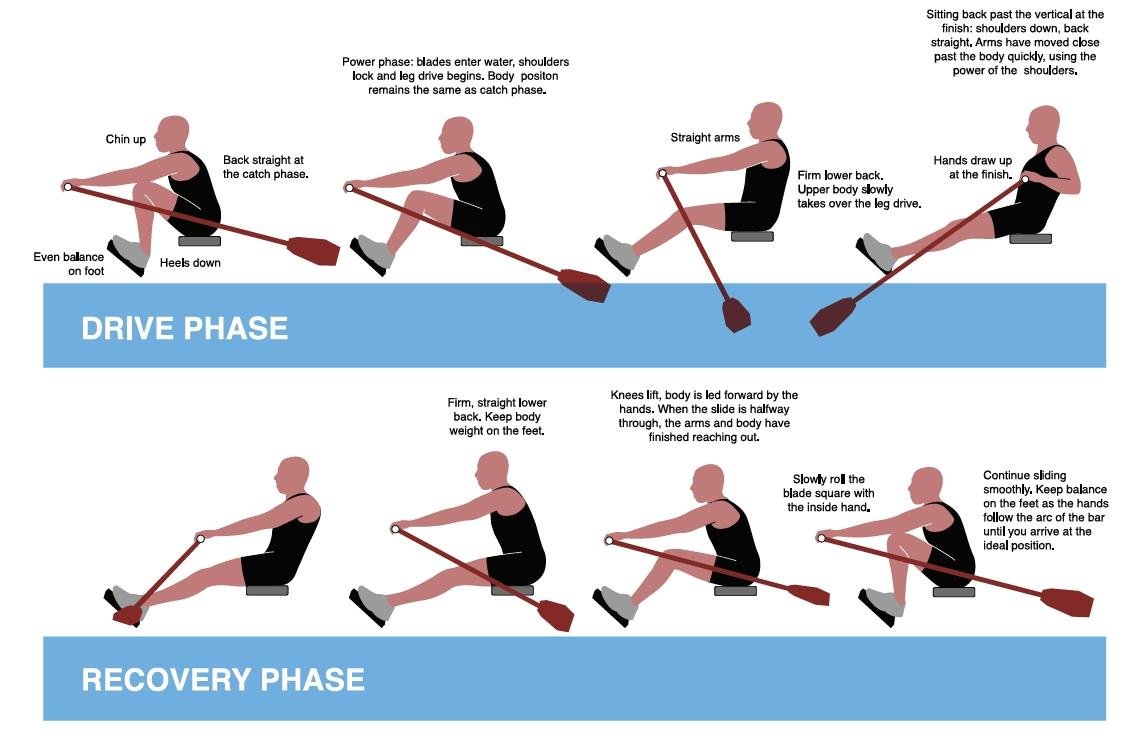
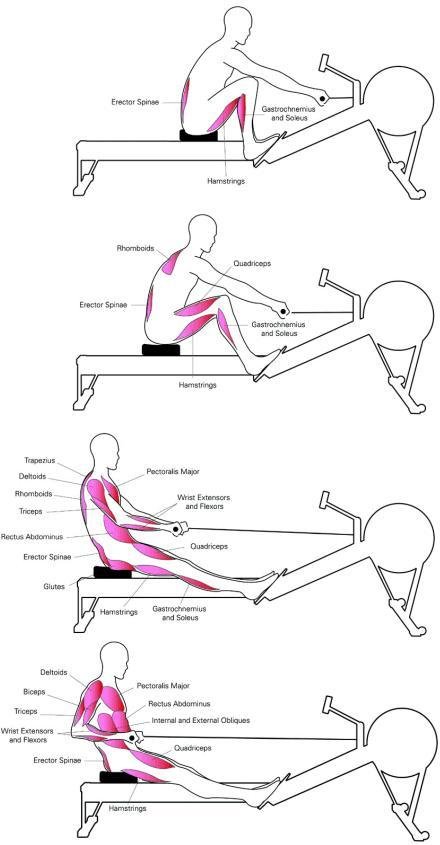
To fully understand what muscles does a rowing machine work, you need to break down the rowing stroke into four phases: catch, drive, finish, and recovery. Each phase activates different muscle groups, making rowing a true full body rowing workout.
Lower Body Rowing Muscles (Primary Power Source)
The majority of power in rowing comes from your legs. In fact, about 60% of the effort comes from your lower body.
Muscles worked:
- Quadriceps
- Hamstrings
- Glutes
- Calves
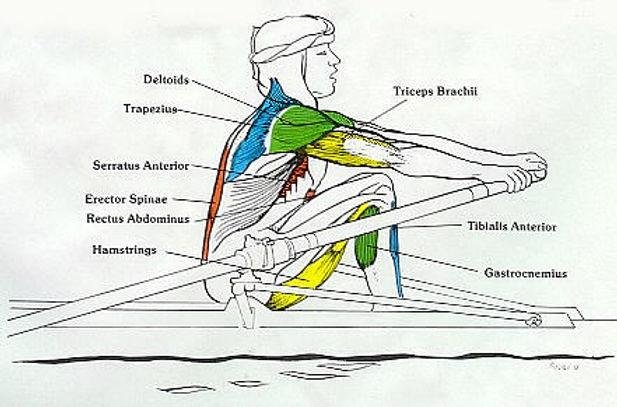
These lower body rowing muscles are responsible for pushing your body backward during the drive phase. The quadriceps extend your knees, while the glutes generate strong hip extension. The hamstrings and calves help stabilize and control the movement.
If you’re wondering what muscles are worked when rowing, your legs should always be the starting point of the motion.
Upper Body Muscles Used in Rowing
The rowing stroke follows a guided path. This controlled movement limits excessive twisting or lateral stress on the knees, which are common causes of discomfort in other exercises.
While the legs provide power, your upper body plays a key role in completing each stroke.
Muscles worked:
- Latissimus dorsi (lats)
- Trapezius (traps)
- Rhomboids
- Deltoids
- Biceps
- Triceps
These upper body rowing muscles are responsible for pulling the handle toward your torso and controlling the return. The lats are especially important, as they generate most of the pulling force.
Many people mistakenly think rowing is mostly an arm workout, but understanding the muscles used in rowing shows that the arms are only a small part of the movement.
Core Muscles in a Rowing Workout
Your core plays a crucial role in stabilizing your body and transferring power between your upper and lower body.
Muscles worked:
- Rectus abdominis
- Obliques
- Transverse abdominis
A strong core is essential in any full body rowing workout. It keeps your spine neutral and prevents excessive strain on your lower back. Without proper core engagement, you lose efficiency and increase injury risk.
Back Muscles and Posture in Rowing
Your back muscles are essential for maintaining posture and ensuring proper technique.
Muscles worked:
- Erector spinae
- Trapezius
- Rhomboids
These muscles keep your back straight and stable throughout the movement. When analyzing what muscles does a rowing machine work, the back is one of the most important areas for both performance and injury prevention.
Secondary Muscles Worked by a Rowing Machine
In addition to the major muscle groups, several smaller muscles are also activated:
- Hip flexors
- Forearms and grip muscles
- Chest (pectorals)
These supporting muscles improve coordination and endurance, making rowing a highly functional exercise. This is why the muscles worked by a rowing machine go far beyond just the obvious major muscle groups.
Benefits of a Full Body Rowing Workout
Because rowing targets so many muscles, it offers several key benefits:
- Burns more calories than isolated workouts
- Combines strength and cardio training
- Low-impact and joint-friendly
- Improves posture and core strength
- Builds balanced muscle development
If you’re still asking what muscles does a rowing machine work, the best answer is: almost your entire body.
Common Mistakes That Reduce Muscle Activation
Even though rowing is effective, poor technique can limit results.
Avoid these mistakes:
- Pulling with your arms too early
- Not using your legs enough
- Rounding your back
- Rushing the recovery phase
Fixing these errors ensures all rowing machine muscles worked are properly engaged.
Tips to Maximize Muscle Engagement
To get the most out of your workout:
- Focus on legs first, then core, then arms
- Keep your core tight and back straight
- Use controlled, smooth movements
- Choose the right resistance level
- Stay consistent with your training
Mastering these tips will help you fully activate the muscles used in rowing and improve performance.
Final Thoughts
So, what muscles does a rowing machine work? The answer is clear: rowing targets your legs, back, core, and arms in one powerful, coordinated movement.
This makes it one of the most efficient and effective exercises for total-body fitness. By understanding the muscles worked by a rowing machine and focusing on proper technique, you can maximize results and get stronger with every session.
If you're looking for a single piece of equipment that delivers both strength and cardio benefits, a rowing machine is an excellent choice.
What to Read Next
To continue building a safe rowing routine:
These articles help you build a safe and sustainable rowing routine from the start.